How to Reduce Acne Marks & Treat Active Acne | Expert Guide | QALA Aesthetics
How to Reduce Acne Marks and Treat Active Acne: A Complete Expert Guide
Acne is one of the most common skin concerns affecting teenagers and adults alike. While active acne can be painful and frustrating, the marks and scars it leaves behind often take even longer to fade. The good news is that with the right skincare routine, lifestyle changes, and professional treatments, you can effectively manage active acne and reduce acne marks.
At QALA Aesthetics, Noida, we believe healthy skin starts with understanding the root cause of acne and choosing treatments tailored to your skin.
What is Active Acne?
Active acne refers to ongoing breakouts caused by clogged pores, excess oil production, bacteria, and inflammation. It can appear as:
- Whiteheads
- Blackheads
- Papules
- Pustules
- Nodules
- Cystic acne
If left untreated or picked frequently, active acne may lead to pigmentation and permanent acne scars.
What Causes Acne?
Several factors contribute to acne, including:
1. Excess Oil Production
Overactive sebaceous glands produce excess sebum, clogging pores.
2. Hormonal Changes
Hormonal fluctuations during puberty, menstruation, pregnancy, or conditions like PCOS can trigger acne.
3. Bacteria
The growth of Cutibacterium acnes inside clogged pores causes inflammation.
4. Genetics
A family history of acne increases your likelihood of developing it.
5. Stress
Stress doesn't directly cause acne but can worsen existing breakouts.
6. Wrong Skincare Products
Using comedogenic or harsh skincare products can clog pores and irritate the skin.
What Are Acne Marks?
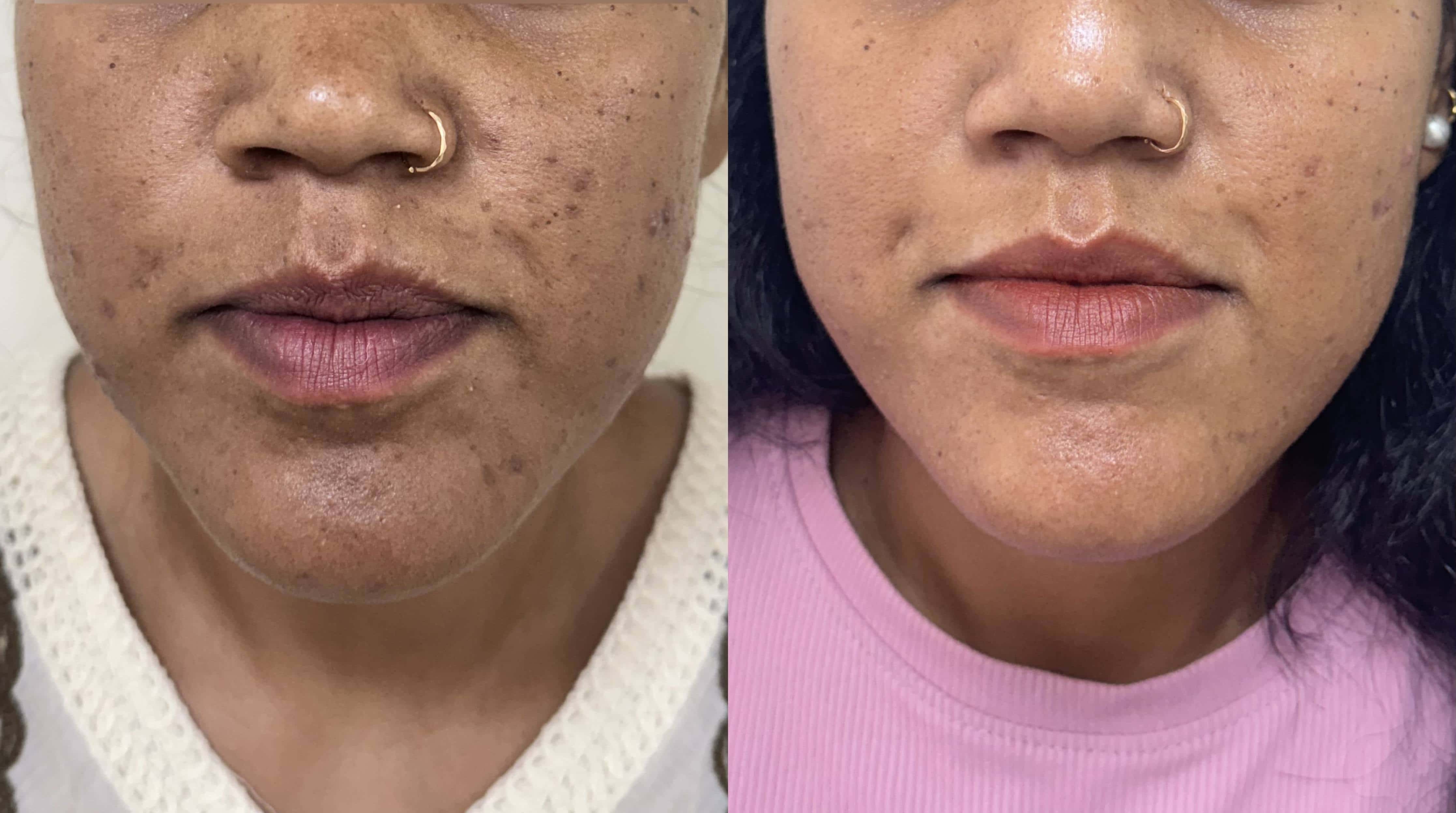
Acne marks are discolorations that remain after a pimple heals. These are not true scars and usually fade with proper treatment.
They include:
1. Post-inflammatory hyperpigmentation (brown or black spots)
2. Post-inflammatory erythema (red or pink marks)
These marks can take weeks to months to disappear without treatment
Acne Marks &
Active Acne
Discover expert skincare tips, causes and treatment options for acne marks and active acne.
Watch on Instagram ↗Ready For Healthy Glowing Skin?
Book your appointment with Qalaa Aesthetics today.